
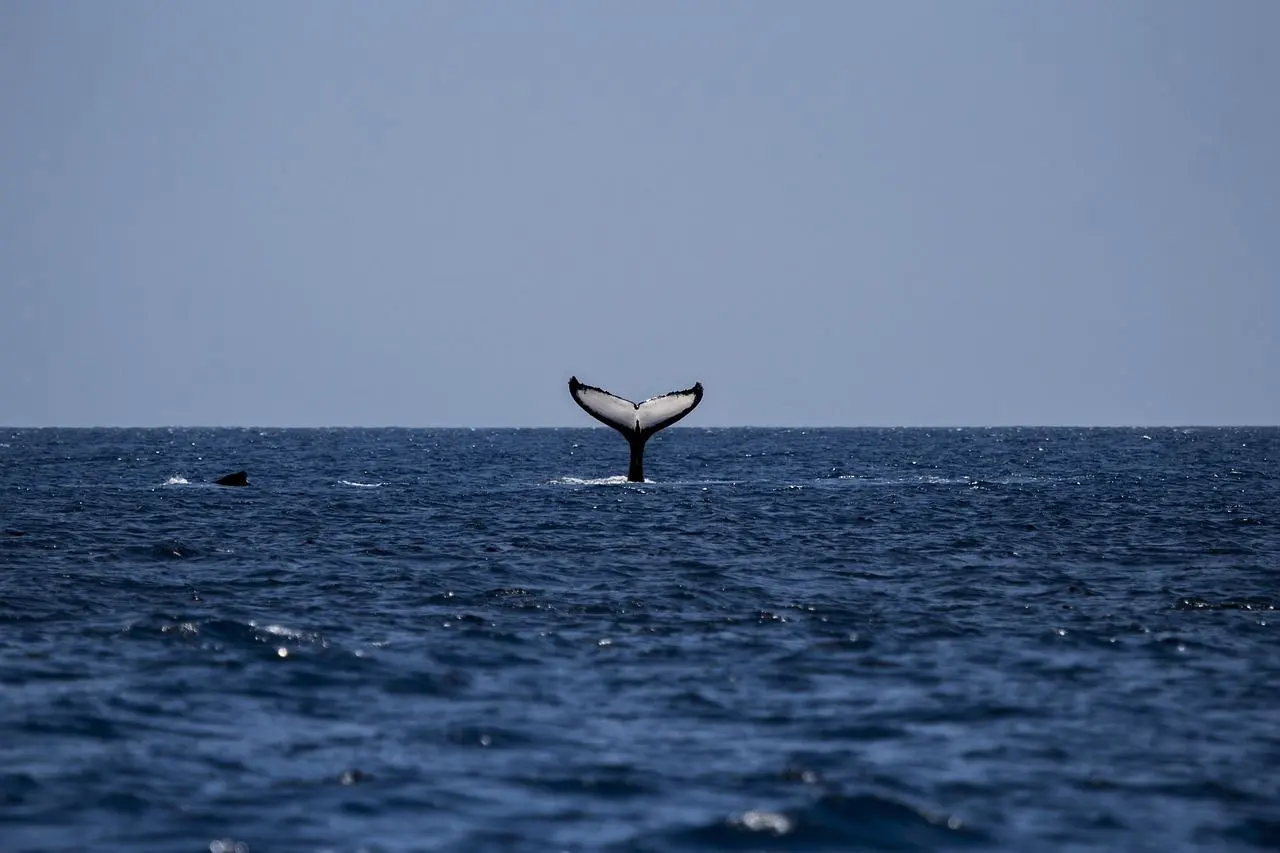
Not sure when to book whale watching San Diego trips? You’ll see gray whales from mid-December through April and blue whales from about May through September. Pick a morning boat and bring layers.
Looking for more to do beyond the water? Browse our guide to things to do in san diego.
| Item | Value |
|---|---|
| Gray whale season | Mid-December through April |
| Gray whales on the move | More than 20,000 gray whales |
| Blue whale season | About May through September |
| Gray whale round trip | 10,000 to 12,000 miles |
| Harbor-based cruise price | From $66.21, fees and taxes included |
| Cruise length | 3.5 hours in winter, 4 hours in summer |
These figures come from CityPASS’s whale-season guide and City Cruises’ San Diego whale-watching page. Seasons, prices and schedules can change, so check the source before you rely on them.
When is whale watching season in San Diego?
Gray whales are the winter draw. From mid-December through April, more than 20,000 gray whales travel south along the coast toward the warm lagoons of Baja California, then head back north with newborn calves, CityPASS reports.
Inside that window, January through March generally offers the most consistent gray whale activity. That makes late winter the strongest pick if the classic migration is your goal.
Summer belongs to the blue whale. From about May through September these giants gather offshore to feed on krill, and July and August tend to be especially productive, often with fin whales and the occasional acrobatic humpback, according to CityPASS.
Humpback, fin, and minke whales can also appear at nearly any time of year, so the months between the two peaks are not dead time. Even so, a sighting is never guaranteed on any single trip.
Whales and wildlife you might see
The mix of animals changes with the calendar, and the same boat ride can turn up very different residents. Here is what the sources describe:
- Gray whales: one of the longest mammal migrations on the planet, a round trip of 10,000 to 12,000 miles between Arctic feeding grounds and the nursery lagoons of Mexico, per CityPASS.
- Blue whales: the largest animals ever to live on Earth, stretching up to 100 feet and weighing as much as 200 tons, as CityPASS describes them.
- Fin and minke whales: fin whales are the second-largest species on Earth, and smaller, faster minkes are spotted throughout the year.
- Dolphins and sea lions: common dolphins often travel in super-pods numbering in the hundreds or even thousands, while sea lions lounge on buoys near the harbor entrance.
City Cruises also lists gray whales in winter and blue whales in summer, alongside minke whales, fin whales, dolphins, sea lions and marine birds, on its tour page.
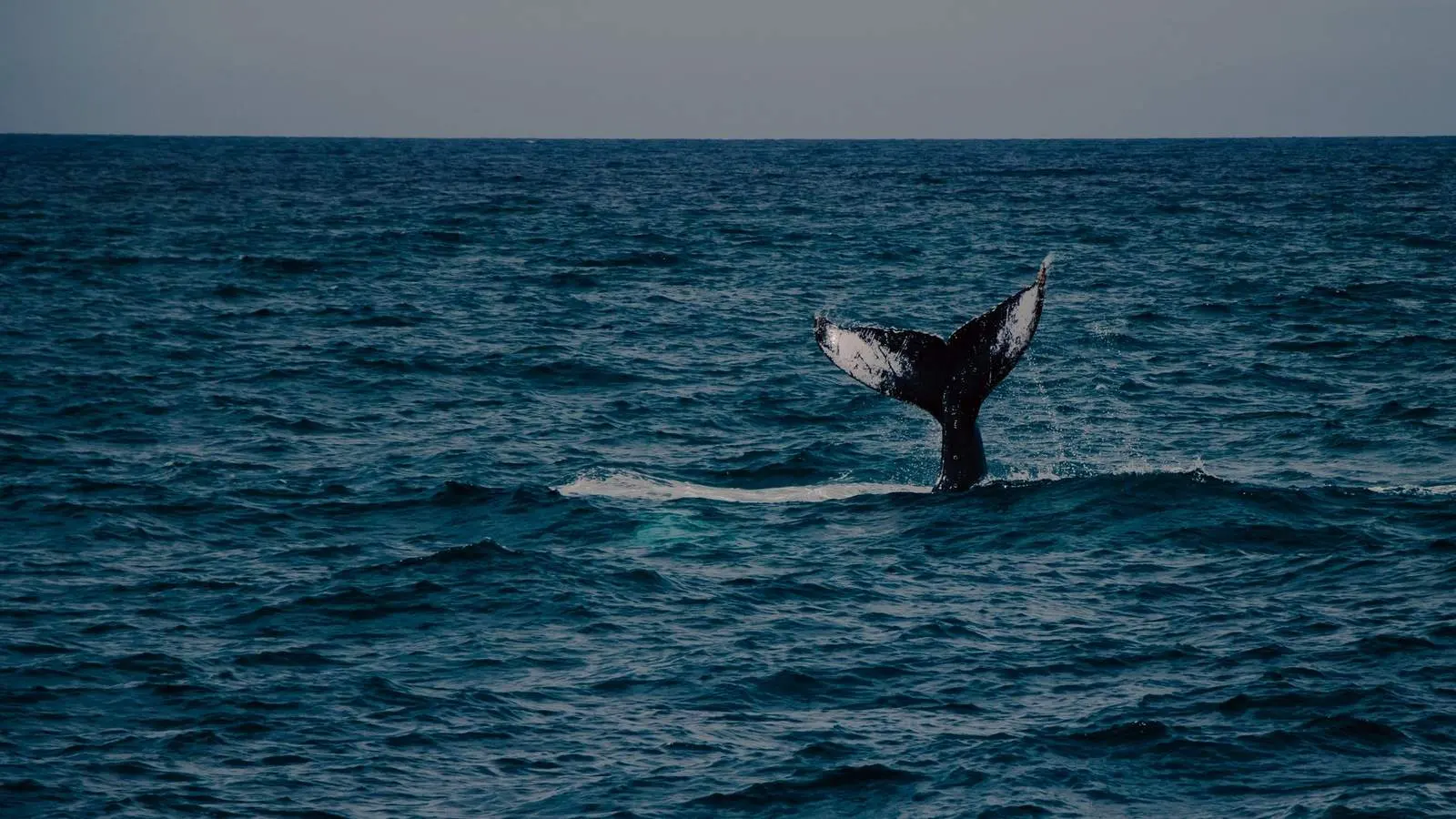
What a harbor-based cruise looks like
One widely listed option is the City Cruises whale and dolphin watching adventure. It departs from Pier Two, next to the USS Midway Museum, with onboard narration by the San Diego Natural History Museum and volunteer naturalists, the operator says.
The same page lists a winter schedule running December 14 to April 13, Friday through Monday only. Cruises last 3.5 hours in winter and 4 hours in summer, with prices starting at $66.21 and fees and taxes included.
The vessel cruises in the open ocean, so the operator recommends warm attire, including a coat. It also notes that access to the outer decks is by stairs only, which is worth raising with the operator if anyone in your group has limited mobility.
This site is independent, and no tour seller pays for placement or advice. City Cruises and CityPASS both sell tickets, so treat their pages as references for dates and prices, not as rankings.
Tips for a better day on the water
A little preparation turns a pleasant boat ride into a proper wildlife outing. These tips draw on CityPASS’s advice:
- Choose a morning departure. Winds are typically lighter and seas calmer before midday, which makes spouts and dorsal fins easier to spot.
- Bring binoculars. Captains keep a legally required distance from the animals, so binoculars bring distant blows closer.
- Protect yourself from sun and sea. Pack sunscreen and sunglasses, and take a motion-sickness remedy before departure if you are prone to it.
- Scan widely. A puff of spout, circling seabirds or sudden dolphin activity can all signal whales nearby.
Dress in layers too. The offshore breeze can feel 10 to 15 degrees cooler than the shoreline, so a windbreaker over a sweatshirt and a hat that will not blow away make sense, per CityPASS.
Pairing the trip with the rest of your stay
Whale watching fills a morning, which leaves room for other plans. Birch Aquarium at Scripps in La Jolla introduces the smaller residents of the same waters, from seahorses to moon jellies, CityPASS notes.
If you prefer to stay on land another day, our picks for the best hikes in san diego make a good contrast to a day at sea. After a chilly boat ride, a stop at one of the san diego breweries is an easy way to warm up.
Frequently asked questions
What is the best month for whale watching in San Diego?
Show answer
It depends on the species. Late winter suits gray whales best, while midsummer is stronger for blue whales, so match the month to the animal you most want to see.
Can you go whale watching in summer?
Show answer
Yes. Summer trips target blue whales, the largest animals ever to live on Earth, which feed on krill offshore between roughly May and September, per CityPASS.
What happens if no whale is spotted?
Show answer
City Cruises says passengers on a trip with no whale sighting receive a pass to return for another whale-watching cruise or a harbor cruise. Check the operator’s page for the current terms.
Is the whale-watching cruise the same as the CityPASS harbor tour?
Show answer
No. CityPASS points out that the dedicated whale-watching excursion is a separate offshore experience from the Best of the Bay harbor tour included with its tickets, so many travelers book both, as its guide explains.